Tenderloin Script Embroidery Font
As a designer with years of experience in embroidery, I’ve seen countless fonts and styles come and go. But the “Tenderloin Script” embroidery font stands out for its refined elegance and versatility. It’s one of those designs that feels both timeless and modern, making it ideal for a wide range of projects. Whether you’re working on custom apparel, personalized gifts, or small business merchandise, this font has the potential to elevate your work significantly.
The First Impression: Elegance Meets Functionality
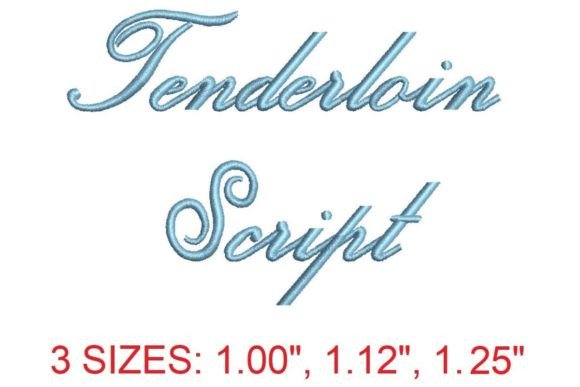
From the moment I viewed the Tenderloin Script Embroidery Font, I was struck by its balance of fluidity and structure. The script flows naturally, with soft curves and subtle flourishes that add character without overwhelming the design. It doesn’t scream for attention but rather invites you to look closer, which is perfect for projects where subtlety matters.
This font works best on items that require a touch of sophistication—think baby clothes, wedding favors, or boutique branding. Its visual personality leans toward classic, understated style, making it a strong choice for handmade products that aim to feel crafted rather than mass-produced.
Real-World Use: How Tenderloin Script Performs
I tested the Tenderloin Script Embroidery Font on several projects, including a custom tote bag design, a sweatshirt for a back-to-school campaign, and an embroidered patch for a small shop product. In each case, the font maintained its clarity and charm, even when stitched at different sizes.
On a tote bag, the font looked elegant and readable, especially when paired with a neutral thread color. On a sweatshirt, it added a polished finish without appearing too formal. For the embroidered patch, the detail level held up well, though I noticed that very small letters could get lost if not properly spaced.
One thing I appreciated was how the font adapted to different fabrics. On a lightweight cotton, it sat nicely without puckering, and on a thicker material like denim, it still looked clean. However, I did notice that on stretchy or textured fabrics, the stitches sometimes caught slightly, so a good stabilizer was essential.
Where to Use It Carefully
While the Tenderloin Script Embroidery Font is versatile, there are situations where it might not perform as well. On small hoop sizes, the design can become cramped, leading to less defined details. Similarly, on thin or stretchy fabrics, the stitch density may need adjustment to prevent distortion.
For dark fabrics, the font requires careful consideration of thread color contrast. A light-colored thread might not show up well, while a dark thread could make the text appear too heavy. I recommend testing the font on both light and dark backgrounds before finalizing a project.
When used on curved surfaces like caps or hats, the font’s natural flow helps it conform to the shape, but the corners of letters may need extra attention to avoid distortion. Tiny lettering or dense stitch areas also demand a bit more precision, especially if the design is meant for commercial use.
Impact on Visual Appeal and Customer Perception
The Tenderloin Script Embroidery Font adds a level of polish that can make a big difference in how a finished product is received. Customers often respond positively to well-crafted, visually appealing designs, and this font delivers on that front. It enhances the perceived value of a handmade product, making it more desirable for personalized gifts or boutique items.
For small business owners and Etsy sellers, this font can be a valuable tool in creating consistent brand aesthetics. It works well for items that need to feel unique yet professional, such as custom apparel or printable mockups. When used effectively, it can help build customer trust and encourage repeat purchases.
Practical Designer Notes
Before using any embroidery file, I always recommend testing it on scrap fabric. This helps identify any issues with stitch density, thread color, or stabilizer use. With the Tenderloin Script, I found that adjusting the stitch density made a noticeable difference in how the design looked on different materials.
Another key point is to check whether the design works for both personal and commercial projects. While the font itself may be suitable for a wide range of uses, it’s important to confirm the licensing terms before selling finished items or digital products. Always review the file specifications, including hoop size and machine compatibility, to ensure it fits your workflow.
If you’re planning to use this font for a back-to-school project, consider how it will look on items like backpacks, t-shirts, or lunch boxes. The font’s elegance can add a special touch without being too flashy, making it a great fit for educational or family-oriented themes.
Final Thoughts: A Font Worth Adding to Your Collection
The Tenderloin Script Embroidery Font is a solid addition to any designer’s toolkit. It offers a refined look that works across multiple applications, from custom apparel to personalized gifts. While it requires some care in certain situations, its overall performance and aesthetic appeal make it a worthwhile investment.
Whether you’re an experienced embroiderer or just starting out, this font provides a reliable option for adding a touch of class to your projects. Just remember to test it thoroughly, choose the right thread colors, and use proper stabilizers to ensure the best results. With the right approach, the Tenderloin Script can help elevate your embroidery work to the next level.